Research project MiEl

Doctoral network for microprocess engineering for electrosynthesis
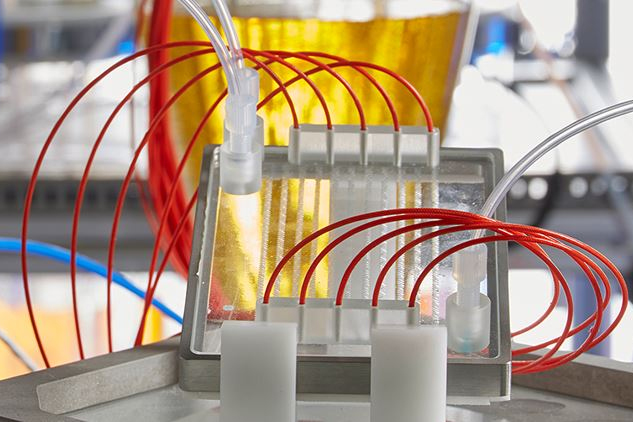
MiEl: Combining the advantages of electrochemistry, micro process engineering and flow chemistry
© Fraunhofer ICT
MiEl: Combining the advantages of electrochemistry, micro process engineering and flow chemistry

MiEl is a research and training project funded by the European Union’s Marie-Sklodowska-Curie programme. MiEl involves 8 partner organisations, 5 associated partners from 9 different countries and 11 PhD students.

MiEl develops a novel synthesis technology for the chemical industries, combining the advantages of electrochemistry, micro process engineering and flow chemistry. The ambitious research objective is to upscale these technologies using integrated cell concepts such as printed circuit board (PCB) technology with integrated process control functionalities, which can be assembled in arrays for the safe, flexible and sustainable synthesis of chemical products. It will allow new synthetic routes for the sustainable chemical industry of the future.

Objectives

MiEl will develop scalable integrated cell concepts, allowing production on demand of fine chemicals and pharmaceuticals with increased efficiency, flexibility and lower product costs.

  • Optimisation of electrochemical synthesis processes for microfluidic technology
  • New models for electrodes and electrochemical flow cells
  • Development of prototype cells and arrays of printed circuit boards (PCBs)
  • Defining business opportunities through accompanying techno-economic evaluation

Research

In theory, electrochemical technologies offer the highest energy efficiency in production, and microfluidics offer the highest safety and best process control in chemical processes. A combination of these two technologies is the logical step towards a more reliable, flexible, safe and  sustainable chemical industry.

For the development of different electrosynthetic processes, the experimental investigations will be supplemented by modelling and simulation, the design of cell concepts and prototypes, and evaluation through techno-economic analyses. 

Training

MiEl aims to provide 12 PhD students with the scientific and complementary skills they will need for a career in electrochemical energy conversion. They will receive a firm grounding in the scientific skills needed for their individual project work, and a unique understanding of the interface between synthesis development, system engineering and market-relevant aspects.

Training in entrepreneurship will help them to progress from theoretical to practical knowledge, and industrial secondments will allow them to experience different schools of thoughts and  implement their knowledge in an industrial setting.